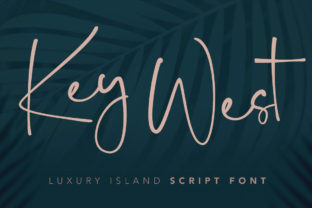
Antums: A Hand-Drawn Brush Font for Strategic Design
Antums is a hand-drawn brush font that brings a fresh, unique aesthetic to any design project. Its organic, expressive style makes it ideal for creating visual statements that stand out in a crowded digital landscape. Whether you're working on branding, marketing materials, or creative projects, Antums offers a versatile and dynamic tool for designers looking to add personality and impact to their work.
Unlike more rigid typefaces, Antums captures the essence of human touch, giving your designs a sense of authenticity and creativity. This quality can be strategically valuable when aiming to connect with audiences on an emotional level or when trying to differentiate your brand in a competitive market.
Why Antums Matters for Strategic Design
In today’s design world, typography plays a critical role in communication and branding. The right font can reinforce a message, evoke specific emotions, and shape how audiences perceive your content. Antums, with its brush-like strokes and natural flow, provides a distinctive visual identity that can help your work resonate more deeply with your target audience.
For entrepreneurs and small business owners, using Antums can be a strategic move to create a memorable brand presence. It allows for creative expression without sacrificing readability, making it suitable for logos, headlines, and other key design elements. When used thoughtfully, it can enhance the overall look and feel of your brand while supporting your broader marketing goals.
When to Use Antums: Strategic Considerations
Antums is best suited for projects that benefit from a personal, artistic touch. It works well in areas such as:
- Brand Identity: For businesses aiming to communicate creativity, innovation, or a human-centered approach.
- Marketing Materials: In social media posts, banners, or email campaigns where visual appeal is key.
- Content Creation: For bloggers, educators, or publishers who want to add visual interest to articles, presentations, or educational materials.
However, it's important to consider the context in which you use Antums. While its uniqueness is an asset, it may not be appropriate for all types of content. For example, formal documents or data-heavy reports may require a more neutral, professional font. Understanding the tone and purpose of your project will help you decide if Antums is the right choice.
How to Approach Using Antums Effectively
To get the most out of Antums, start by defining your design goals. Ask yourself: What message do I want to convey? Who is my audience? What visual style aligns with my brand? These questions can guide your decision-making and ensure that your use of Antums supports your broader objectives.
One practical approach is to use Antums for headline text or key visual elements rather than body copy. This allows you to highlight its strengths without compromising readability. Pairing it with a clean, modern sans-serif font for body text can create a balanced and professional look.
Another tip is to experiment with different weights and styles of Antums. Some versions may have more pronounced brush strokes, while others are more subtle. Testing these variations in different contexts can help you find the best fit for your project.
Strategic Observations: Antums in Real-World Applications
Consider the following scenarios where Antums has been successfully used:
- Startup Branding: A tech startup used Antums for its logo and website headings to convey a sense of creativity and approachability. The font helped differentiate the brand from more traditional competitors.
- Artistic Portfolio: An illustrator incorporated Antums into their portfolio site to emphasize the handmade nature of their work. The font added a personal touch that resonated with potential clients.
- Event Promotions: A local art event used Antums in promotional materials to create a visually engaging and cohesive theme. The font contributed to a unified aesthetic that attracted attendees.
These examples demonstrate how Antums can be strategically applied to support specific goals, whether it's building brand identity, showcasing creative work, or promoting an event.
Risks of Using Antums Without Clear Intent
While Antums is a powerful design tool, it can also be misused if not applied with intention. One common risk is overuse—relying too heavily on the font for large blocks of text can reduce readability and dilute its impact. Similarly, using it in inappropriate contexts, such as formal reports or legal documents, can undermine professionalism and credibility.
Another risk is inconsistency. If Antums is used without a clear design strategy, it may clash with other visual elements or fail to align with your brand’s overall identity. This can lead to confusion among your audience and weaken the effectiveness of your messaging.
Planning Tips for Intentional Use of Antums
To use Antums intentionally, follow these planning steps:
- Define Your Purpose: Determine what you want to achieve with the font. Is it for branding, marketing, or creative expression?
- Understand Your Audience: Consider how your target audience will respond to the font. Will it resonate with them, or could it be distracting?
- Test and Refine: Experiment with different applications of Antums and gather feedback. Adjust based on what works best for your goals.
By taking a thoughtful approach, you can ensure that Antums enhances your design rather than detracts from it.
Long-Term Value of Antums in Design Strategy
Investing in a font like Antums can provide long-term value when integrated into a broader design strategy. It can become a signature element of your brand, helping to build recognition and consistency over time. As your business or creative work evolves, Antums can adapt with you, offering a flexible and expressive tool for future projects.
Moreover, using Antums can help you stay ahead of design trends. Its hand-drawn aesthetic aligns with current preferences for authentic, personalized visuals. By incorporating it into your workflow, you position yourself as a designer who values both creativity and practicality.