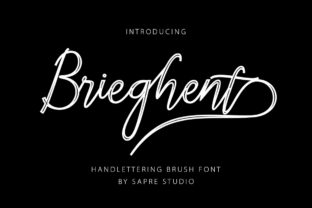
Brieghent: A Luxurious Handwritten Font for Elegant Design
Brieghent is a beautifully crafted handwritten font that brings an air of sophistication and elegance to any design project. Its flowing, organic style makes it ideal for creating visually striking elements such as wedding invitations, thank you cards, quotes, and other materials that require a touch of luxury. Whether you're working on a personal project or a professional design, Brieghent offers a unique aesthetic that can elevate your work.
Understanding how to integrate Brieghent into your workflow can help you make the most of its visual appeal while maintaining efficiency and consistency in your design process. This article explores how Brieghent fits into broader design strategies, how it can be used at different stages of a project, and practical tips for incorporating it into your creative routine.
What Is Brieghent and Where Does It Fit?
Brieghent is more than just a font—it's a tool that can enhance the visual storytelling of your projects. Its handwritten style adds a personal, artisanal feel that digital typefaces often lack. This makes it particularly useful in contexts where authenticity and emotional resonance are important, such as in branding, event design, or content creation.
In a broader design process, Brieghent can serve as a key element in the final presentation of a project. For example, when designing a wedding invitation, the choice of typography plays a critical role in setting the tone. Using Brieghent here not only conveys elegance but also reinforces the theme of the event. Similarly, in a marketing campaign, it can be used to highlight key messages with a refined, sophisticated look.
The font works well in both print and digital formats, making it versatile for a wide range of applications. However, its effectiveness depends on how it's integrated into the overall design strategy. Understanding this context helps ensure that Brieghent complements rather than overwhelms the design.
Using Brieghent in Different Stages of a Project
Brieghent can be applied at various points in a design workflow, depending on the project's needs. During the planning phase, it can be used to create mood boards or mockups that convey the intended visual style. This helps stakeholders visualize the final outcome and provides a reference point for the design direction.
During the execution phase, Brieghent can be used to add finishing touches to a design. For instance, in a thank you card, it might be used for the signature line or a personalized message. Its fluidity allows it to blend seamlessly with other design elements, ensuring a cohesive look without disrupting the overall composition.
After a project is completed, Brieghent can still play a role in quality control and consistency checks. Ensuring that the font is used appropriately across all materials helps maintain a professional appearance. This is especially important for businesses that rely on brand identity to build trust and recognition.
How Brieghent Interacts With Other Tools and Resources
When working with Brieghent, it's important to consider how it interacts with other design tools and resources. For example, if you're using graphic design software like Adobe Illustrator or Canva, you'll need to ensure that the font is properly installed and compatible with the platform. Some platforms may have restrictions on font usage, so checking licensing agreements is essential.
Brieghent can also be paired with other fonts to create a balanced typographic hierarchy. For instance, combining it with a sans-serif font for body text can provide contrast and improve readability. This approach is common in editorial design, where clarity and visual interest are both important.
Additionally, when working with clients or collaborators, it's helpful to explain the purpose and benefits of using Brieghent. This ensures that everyone involved understands how the font contributes to the overall design goals. Clear communication helps prevent misunderstandings and streamlines the workflow.
Practical Implementation Tips
To get the most out of Brieghent, consider the following implementation tips:
- Choose the right size and spacing: Ensure that the font is legible at the intended size. Adjusting letter spacing can improve readability, especially in larger text blocks.
- Use it strategically: Avoid overusing Brieghent in large sections of text. Instead, use it for headings, titles, or short phrases to maintain visual balance.
- Test in different contexts: Preview the font in various settings, such as print, web, and mobile, to ensure it looks good across all mediums.
- Backup with alternative fonts: Have a backup font ready in case of technical issues or compatibility problems.
These steps help ensure that Brieghent enhances your design rather than detracts from it. They also support a more efficient and reliable workflow, especially when working under tight deadlines or with multiple stakeholders.
Workflow Examples and Observations
Let’s look at a few real-world scenarios where Brieghent can be effectively used:
- Wedding Invitations: Use Brieghent for the couple’s names and event details. Pair it with a simpler font for the venue and date information to create a clean, elegant layout.
- Marketing Materials: Apply Brieghent to headlines or call-to-action buttons in brochures or social media posts. Its handwritten style adds a personal touch that can differentiate your brand from competitors.
- Personal Projects: Incorporate Brieghent into journaling, greeting cards, or DIY crafts. Its artistic flair can add a unique, handmade quality to your creations.
Observing how others use Brieghent can also provide valuable insights. For example, designers often use it to add a touch of class to minimalist layouts, where simplicity is key. This demonstrates the font’s adaptability and its ability to enhance different design styles.
Factors to Consider for Long-Term Use
When planning to use Brieghent over the long term, several factors should be taken into account:
- Consistency: Maintain a consistent use of the font across all materials to reinforce brand identity and user experience.
- Updates and maintenance: Stay informed about any updates or changes to the font. Some versions may include improvements or bug fixes that affect performance.
- Accessibility: Ensure that the font is accessible to all users, including those with visual impairments. This may involve adjusting size, contrast, or pairing it with readable fonts.
- Collaboration: If multiple people will be working on a project, make sure everyone has access to the font and understands how to use it correctly.
Considering these factors helps ensure that Brieghent remains a valuable asset in your design toolkit. It also supports a more sustainable and effective workflow, reducing the need for frequent adjustments or replacements.
Integrating Brieghent Into Your Routine
Integrating Brieghent into your daily design routine doesn’t have to be complicated. Start by identifying areas where a more elegant or personal touch would be beneficial. Then, experiment with how the font works in different contexts and adjust as needed.
For professionals who work on multiple projects, keeping a library of preferred fonts—like Brieghent—can save time and effort. This approach supports efficiency and ensures that you always have the right tools available when inspiration strikes.
Ultimately, the goal is to use Brieghent in a way that aligns with your creative vision and practical needs. By understanding its strengths and limitations, you can make informed decisions that enhance your work and streamline your process.