Easy Tiles: A Strategic Design Tool for Creative and Professional Success
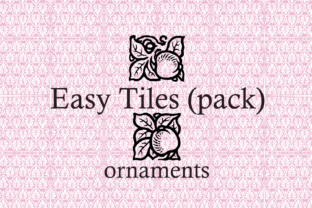
Easy Tiles offers a unique collection of 62 decorative tile images that blend historical aesthetics with modern design versatility. These tiles, inspired by the rubber-stamp-like patterns of architectural tiles found in old homes, buildings, and printed catalogues, provide a timeless yet adaptable visual language. Their generic nature makes them ideal for adding subtle detail to a wide range of projects, from invitations and greeting cards to book jackets, labels, and fabric designs.
For professionals and creatives, Easy Tiles can be more than just a decorative element—it can serve as a strategic tool for enhancing communication, branding, and user experience. Understanding how to use these tiles intentionally can lead to better outcomes in both personal and professional contexts.
Why Easy Tiles Matters for Strategic Design
Design is not just about aesthetics; it's about purpose. Every visual element should support a broader goal, whether that’s building brand identity, improving user engagement, or communicating a message effectively. Easy Tiles provides a foundation for this kind of intentional design.
The value of Easy Tiles lies in its ability to add texture and character without overwhelming the overall composition. Unlike bold graphics or complex illustrations, these tiles work best when used thoughtfully, allowing the main message or product to remain the focal point. This makes them particularly useful in scenarios where subtlety and refinement are key.
For entrepreneurs and small business owners, Easy Tiles can help differentiate their offerings in a crowded market. By incorporating these tiles into packaging, marketing materials, or digital assets, they can create a cohesive and memorable brand presence that resonates with target audiences.
When to Use Easy Tiles: Practical Scenarios
Knowing when to apply Easy Tiles is as important as understanding how to use them. Here are some common situations where they can make a meaningful impact:
- Invitations and Greeting Cards: Adding a tile pattern to the background or border can elevate the visual appeal of a card without distracting from the message.
- Book Jackets and Publishing Materials: For literary or artistic publications, Easy Tiles can add a touch of vintage charm or sophistication.
- Fabric and Textile Designs: These tiles can be used in patterns for clothing, home décor, or accessories, offering a customizable and repeatable design element.
- Labels and Packaging: Small businesses can use Easy Tiles to create unique, branded labels that stand out on shelves or in online stores.
- Web and Digital Assets: When designing websites, apps, or social media content, these tiles can enhance visual hierarchy and user experience.
Each of these applications requires a clear understanding of the intended audience and purpose. For instance, using a tile pattern on a children’s book cover may require a different approach than using it on a luxury product label.
Strategic Considerations for Using Easy Tiles
Before integrating Easy Tiles into a project, consider the following factors:
- Define Your Objective: What do you want to achieve with the design? Is it to add visual interest, reinforce a theme, or communicate a specific message?
- Understand Your Audience: Different demographics respond to different styles. A vintage-inspired tile pattern might resonate with older audiences, while a minimalist version could appeal to younger or more modern tastes.
- Balance and Contrast: Tiles should complement the rest of the design rather than compete with it. Ensure there is enough contrast between the tile pattern and other elements to maintain readability and focus.
- Scale and Repetition: The size and frequency of the tile pattern affect how it's perceived. Too much repetition can feel overwhelming, while too little may go unnoticed.
- Contextual Relevance: Align the tile style with the overall theme of the project. A historical tile pattern may not fit well with a futuristic or tech-oriented design.
By addressing these considerations, users can avoid common pitfalls such as overuse, misalignment, or poor visual balance. These steps ensure that Easy Tiles contribute positively to the final outcome rather than detract from it.
Planning Tips for Effective Tile Integration
Effective use of Easy Tiles starts with careful planning. Here are some practical tips to guide your process:
- Sketch or Prototype: Before applying tiles to a final design, test them in mockups or drafts. This helps identify potential issues and refine the approach.
- Experiment with Variations: Try different tile sizes, colors, and placements to see what works best for your project. Some tiles may look better in monochrome, while others shine with color.
- Use Layering Techniques: Combine tiles with other design elements like text, icons, or borders to create depth and visual interest.
- Consider Print vs. Digital: If the design will be printed, ensure that the tile pattern is high-resolution and suitable for the chosen medium. Digital applications may allow for more flexibility in scale and placement.
- Document Your Choices: Keep a record of which tiles were used, why, and in what context. This can help streamline future projects and maintain consistency across different designs.
These strategies not only improve the quality of the final output but also save time and resources in the long run. They encourage a more deliberate and informed approach to design.
Risks of Using Easy Tiles Without Clear Intent
While Easy Tiles offer many benefits, they can also lead to suboptimal results if used without purpose. Common risks include:
- Visual Clutter: Overusing tiles or placing them inappropriately can make a design feel busy and confusing.
- Misaligned Branding: A tile pattern that doesn’t match the brand’s identity or tone can confuse customers and weaken the overall message.
- Reduced Readability: If the tiles interfere with text or other critical elements, the design may fail to communicate its intended message effectively.
- Lack of Originality: Relying too heavily on pre-made tiles without customization can result in generic or unmemorable designs.
To avoid these issues, it’s essential to approach the use of Easy Tiles with intention and strategy. This means aligning each decision with the broader goals of the project and the needs of the audience.
Long-Term Value of Intentional Tile Use
When used thoughtfully, Easy Tiles can contribute to long-term success in several ways. They can help build a consistent visual language across multiple platforms, strengthen brand recognition, and enhance the overall user experience.
For example, a small business that consistently uses a specific tile pattern across its website, packaging, and social media can create a recognizable and cohesive brand image. This consistency can foster trust and loyalty among customers over time.
Additionally, the adaptability of Easy Tiles allows for easy updates and variations. As trends evolve or new projects emerge, the same tile set can be reimagined to suit different contexts, ensuring that the design remains relevant and effective.
Conclusion: Making Better Decisions with Easy Tiles
Easy Tiles are more than just decorative elements—they are tools that can support strategic decision-making in design and communication. By understanding their purpose, considering their application, and using them intentionally, users can unlock their full potential.
Whether you’re an entrepreneur, marketer, designer, or educator, the thoughtful integration of Easy Tiles can enhance your work and help you achieve better results. The key is to approach each project with clarity, purpose, and a focus on long-term value.