UnConnect: A Rustic Handmade Font for Versatile Design Projects
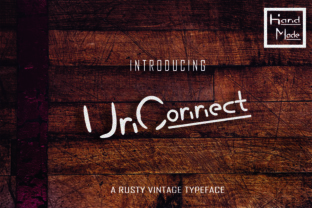
UnConnect is a distinctive handmade font that blends rustic charm with a modern stencil aesthetic. Designed for versatility, it offers a unique visual identity that can enhance both classic and contemporary design projects. Whether you're working on branding, editorial layouts, or digital media, UnConnect provides a compelling option for those seeking a font that balances character with functionality.
Understanding UnConnect: A Blend of Rustic and Modern Aesthetics
UnConnect is crafted to evoke a sense of authenticity and craftsmanship. Its handmade quality gives it a tactile feel, while the stencil-like edges add a clean, structured contrast. This combination makes it stand out in a market saturated with generic typefaces. The font's irregularities and subtle imperfections contribute to its organic appeal, making it ideal for projects that aim to convey a sense of individuality or artisanal value.
The design of UnConnect is particularly suited for brands or projects that want to communicate a connection to nature, tradition, or independent creation. Its visual style can be especially effective when paired with other rustic elements, such as wood textures or earthy color palettes.
Reasons to Consider UnConnect
There are several reasons why a designer or brand might find UnConnect appealing. First, its unique aesthetic allows for differentiation in a competitive market. In an era where many fonts rely on uniformity, UnConnect offers a refreshing alternative that can help a project stand out. This is especially valuable for small businesses, creative studios, or independent creators looking to build a distinct brand identity.
Second, UnConnect’s versatility makes it suitable for a wide range of applications. It can be used in both print and digital formats, including logos, headings, packaging, and web typography. Its balance of rustic and modern elements ensures that it doesn’t feel outdated or overly casual, making it appropriate for both traditional and innovative design concepts.
Benefits and Tradeoffs of Using UnConnect
One of the key benefits of UnConnect is its ability to add personality to a design without overwhelming it. The font’s readability is generally good, especially at larger sizes, which makes it practical for use in headlines or display text. Its stencil-like features also provide a level of visual interest that can enhance the overall composition of a layout.
However, there are some tradeoffs to consider. The font’s handmade nature may not be ideal for all projects. For instance, in highly technical or corporate environments, the irregularities in the letterforms could be perceived as unprofessional. Additionally, while UnConnect is visually engaging, it may not be the best choice for body text due to its complexity and potential impact on readability.
Situations Where UnConnect Excels
UnConnect is particularly well-suited for projects that emphasize creativity, storytelling, or a connection to natural elements. It works well in branding for artisanal products, eco-friendly initiatives, or lifestyle-oriented businesses. Its aesthetic aligns with trends that favor authenticity and imperfection, making it a strong choice for designers who want to convey a sense of warmth and human touch.
In editorial design, UnConnect can add visual interest to book covers, magazine titles, or promotional materials. Its stencil-like qualities also make it a good fit for retro or vintage-themed projects, where a blend of old and new styles is desired. When used thoughtfully, it can elevate the tone of a design while maintaining a sense of approachability.
When Alternatives Might Be More Appropriate
While UnConnect has many strengths, there are scenarios where other fonts may be more suitable. For example, in formal or high-precision contexts—such as legal documents, financial reports, or scientific publications—its handmade characteristics may not align with the expected standards of professionalism. In these cases, a more neutral or structured font would likely be preferred.
Additionally, if a project requires a high degree of consistency across multiple platforms or languages, UnConnect’s unique style may present challenges. Fonts with simpler, more uniform structures often perform better in multilingual or global contexts. Designers should also consider the availability of different weights and styles, as some fonts offer more flexibility in this regard than others.
Practical Insights for Decision-Making
When evaluating whether UnConnect is the right choice, it’s important to consider the specific goals of the project. Ask yourself: What message does the design need to convey? What audience is being targeted? How does the font complement other visual elements?
Testing the font in real-world scenarios can also be helpful. Experimenting with different sizes, colors, and backgrounds can reveal how well it performs in various contexts. If possible, compare it with similar fonts to understand its unique strengths and limitations.
Finally, remember that typography is just one part of the overall design. While UnConnect can add visual interest, it should work in harmony with other elements, such as imagery, color schemes, and layout structures. A thoughtful, balanced approach will ensure that the font enhances rather than distracts from the intended message.
Conclusion
UnConnect is a versatile and distinctive font that offers a blend of rustic charm and modern design. Its handmade quality and stencil-like features make it a strong option for projects that seek to convey authenticity, creativity, or a connection to nature. However, its suitability depends on the specific needs of the project, the target audience, and the overall design strategy.
By carefully considering the benefits, tradeoffs, and contextual fit of UnConnect, designers and brand managers can make informed decisions about whether it aligns with their goals. Whether used as a primary headline font or as a complementary element, UnConnect has the potential to add character and depth to a wide range of design applications.