Yumina: A Script Font That Brings Elegance to Every Design
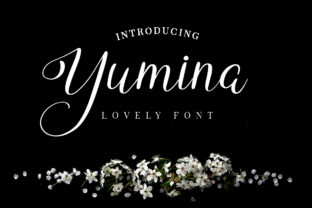
In a world where visual communication is more important than ever, the right typography can make all the difference. Yumina is a script font that stands out for its graceful swashes and natural flow, making it an ideal choice for a wide range of design projects. Whether you're creating greeting cards, branding materials, or business cards, Yumina adds a touch of sophistication that captures attention and conveys personality.
As digital and print media continue to evolve, the demand for fonts that blend beauty with functionality has never been higher. Yumina meets this need by offering a versatile style that works across different formats and applications. Its elegant curves and fluid lines give it a handcrafted feel, which resonates with modern audiences who value authenticity and artistry in their designs.
The Rise of Script Fonts in Modern Design
Script fonts have experienced a resurgence in recent years, driven by a growing appreciation for personalization and unique visual identities. In both professional and creative fields, designers are seeking fonts that reflect individuality while maintaining readability. Yumina fits perfectly into this trend, offering a balance between artistic expression and practical use.
For businesses, the choice of typography is more than just aesthetic—it's a reflection of brand identity. A well-chosen font can communicate tone, values, and style. Yumina’s natural feel makes it particularly appealing for brands that want to convey warmth, creativity, or a sense of refinement. It’s not just about looking good; it’s about creating a lasting impression that aligns with a brand’s message.
Why Yumina Stands Out
What sets Yumina apart from other script fonts is its attention to detail and the way it mimics the fluidity of handwriting. The swashes—those decorative flourishes that add character—are carefully designed to enhance the overall look without overwhelming the text. This makes Yumina suitable for both short phrases and longer passages, ensuring legibility in any context.
Designers often face the challenge of selecting a font that is both visually appealing and easy to read. Yumina addresses this by maintaining clarity even at smaller sizes, which is essential for business cards, labels, and other small-format designs. Its versatility also means it can be used in a variety of settings, from formal invitations to casual social media posts.
Applications for Yumina in Everyday Projects
One of the most common uses for Yumina is in greeting cards. Whether it's a birthday card, thank-you note, or wedding invitation, the font adds a personal and elegant touch that elevates the message. Its natural feel gives the impression of being handwritten, which can make a significant impact on the recipient.
Branding materials also benefit from Yumina’s presence. Logos, banners, and promotional items that incorporate the font can stand out in a crowded market. For entrepreneurs and small businesses, this can be a cost-effective way to create a distinctive visual identity without hiring a designer. The font’s adaptability allows it to work well alongside other typefaces, ensuring consistency across different platforms.
How Yumina Fits Into Modern Workflows
With the increasing use of digital tools in design, accessibility and ease of use are key considerations. Yumina is available in multiple formats, making it compatible with popular design software such as Adobe Illustrator, Photoshop, and Canva. This compatibility ensures that users can integrate the font seamlessly into their existing workflows without technical hurdles.
Moreover, the font’s clean structure supports efficient typography practices. It allows for easy adjustments in spacing, size, and alignment, which is crucial for maintaining a polished look in any project. For professionals who work under tight deadlines, this level of flexibility can save time and reduce the need for extensive revisions.
Trends Shaping the Use of Script Fonts
Current trends in design emphasize minimalism, but with a focus on human elements. This shift has led to a greater interest in fonts that mimic handwriting or have a handcrafted quality. Yumina aligns with this trend by offering a soft, organic feel that contrasts with the rigid lines of many sans-serif fonts.
Additionally, the rise of remote work and digital communication has increased the need for visually engaging content. Whether it's a social media post, email signature, or online portfolio, the right font can help convey professionalism and creativity. Yumina provides a way to add personality to digital interactions without sacrificing clarity or readability.
Practical Tips for Using Yumina
When using Yumina, it’s important to consider the context and audience. For example, a more formal setting may require a slightly more restrained use of the font, while a creative project might allow for bolder expressions. Experimenting with different weights and styles can help find the perfect balance for each application.
Pairing Yumina with complementary typefaces can also enhance its impact. A sans-serif font like Helvetica or Roboto can provide contrast and improve readability, especially in longer texts. This combination works well for headers, titles, and captions, allowing Yumina to shine without overpowering the design.
Conclusion: Embracing the Beauty of Yumina
In a fast-paced, digitally driven world, the value of thoughtful design cannot be overstated. Yumina offers a way to infuse elegance and personality into every project, whether it's a simple business card or a complex branding campaign. Its natural feel and versatility make it a valuable tool for anyone involved in visual communication.
As design continues to evolve, the importance of choosing the right font will only grow. Yumina represents a thoughtful approach to typography—one that respects both aesthetics and function. By incorporating this font into your work, you’re not just selecting a typeface; you’re making a statement about the care and craftsmanship behind your design.