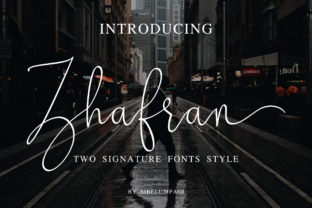
Zhafran: Elevating Your Brand with a Signature Font
For professionals and creators looking to add a touch of elegance to their visual identity, Zhafran stands out as a versatile and sophisticated signature font. Whether you're designing a logo, crafting a brand identity, or adding a personal touch to your work, Zhafran offers a refined aesthetic that can enhance any project. Its unique style makes it ideal for a wide range of applications, from digital marketing materials to print-based assets.
Understanding how Zhafran fits into your workflow is essential for maximizing its potential. This font isn’t just about style—it’s about purpose. By integrating Zhafran at the right stages of your creative process, you can ensure consistency, clarity, and professionalism in your output.
What Is Zhafran and Why It Matters
Zhafran is more than just a font; it's a design element that adds personality and sophistication to your work. Its clean lines and elegant curves make it suitable for both modern and traditional contexts. The font’s versatility allows it to adapt to various design needs without losing its distinct character.
When choosing a font for branding or communication, it's important to consider how it will be used across different platforms. Zhafran excels in this regard, offering compatibility with most design software and ensuring readability in both digital and print formats. This makes it an excellent choice for businesses and individuals who want a consistent visual presence across all media.
Integrating Zhafran into Your Workflow
The timing of when you use Zhafran can significantly impact the outcome of your project. During the planning phase, consider how the font will align with your overall design strategy. If you’re building a brand identity, Zhafran can serve as a foundational element that shapes the look and feel of your visual assets.
During the execution phase, Zhafran can be applied to logos, headers, and other key elements that require a polished appearance. Its legibility ensures that your message remains clear while maintaining a high level of aesthetic appeal. For example, using Zhafran in a business card or website header can instantly elevate the perceived value of your brand.
After the initial design is complete, Zhafran can also play a role in quality control. By reviewing your work with this font, you can ensure that all elements maintain a cohesive look and feel. This is especially important for long-term projects where consistency is crucial.
Practical Use Cases for Zhafran
Zhafran is particularly effective in scenarios where a personal or professional touch is needed. For instance, in the realm of digital marketing, using Zhafran in social media posts or email campaigns can help create a memorable brand image. Its unique style sets your content apart from the competition while maintaining a level of professionalism.
In the context of graphic design, Zhafran can be used for photo overlays, banners, and other visual elements that require a refined look. When paired with other design tools, such as Adobe Photoshop or Canva, Zhafran becomes a powerful asset for creating visually appealing compositions.
For educators and content creators, Zhafran can be used in presentations, infographics, and educational materials. Its clarity and elegance make it suitable for both digital and printed formats, ensuring that your information is presented in a way that captures attention and conveys authority.
Collaboration and Compatibility
When working with a team or collaborating with other designers, Zhafran’s compatibility with common design platforms makes it easy to share and implement. Whether you’re using Figma, Illustrator, or InDesign, Zhafran integrates seamlessly, allowing for efficient collaboration without compromising on quality.
Additionally, Zhafran can be paired with other fonts to create balanced and harmonious designs. For example, combining it with a sans-serif font can provide contrast while maintaining visual cohesion. Understanding how to pair Zhafran with other typefaces is an essential skill for anyone involved in typography and design.
Best Practices for Using Zhafran
To get the most out of Zhafran, it’s important to follow some best practices. First, always test the font in different sizes and contexts to ensure it remains readable and visually appealing. What works well in a large headline may not be as effective in a smaller body text.
Second, pay attention to spacing and alignment. Zhafran’s design benefits from proper kerning and tracking, which can enhance its overall appearance. Adjusting these settings can make a significant difference in the final result.
Finally, consider the tone and message of your project. Zhafran’s elegance makes it suitable for professional and formal contexts, but it may not be the best choice for casual or informal designs. Matching the font to the intended audience and purpose is key to achieving the desired effect.
Long-Term Use and Maintenance
For those who plan to use Zhafran over an extended period, maintaining consistency is essential. Establishing a style guide that includes specific usage guidelines for Zhafran can help ensure that it is applied correctly across all platforms and materials.
Regularly updating your design assets and reviewing how Zhafran is used can also help maintain its effectiveness. As trends evolve, you may find that adjusting how you use the font can keep your work fresh and relevant.
Additionally, staying informed about new releases or updates related to Zhafran can provide opportunities to enhance your designs. Keeping up with these developments ensures that you’re always using the font to its fullest potential.
Conclusion: Zhafran as a Strategic Design Tool
Zhafran is more than just a font—it’s a strategic tool that can enhance your design work and elevate your brand’s visual identity. By understanding how to integrate it into your workflow, you can unlock its full potential and create designs that are both aesthetically pleasing and functionally effective.
Whether you’re a designer, marketer, educator, or business owner, Zhafran offers a versatile solution for a wide range of applications. With careful planning, practical implementation, and ongoing maintenance, this signature font can become a valuable part of your creative toolkit.